

















Of Tchaikovsky’s three great ballets, the Nutcracker feels completely different. It’s playful, colorful, imaginative, and full of this incredible sense of wonder.
And so much of that comes from the way Tchaikovsky uses the orchestra.
The celesta in the Dance of the Sugar Plum Fairy is probably the most recognizable example, but it’s really the entire score that makes The Nutcracker feel like its own world. Different instruments and combinations of instruments create the feeling of snow, childhood, magic, celebration, mystery, and wonder.
It’s almost cinematic in the way it creates a world around the dancers—before film music had really developed into what we know it as today.
And then you get to the Pas de Deux, the grand duet between the Sugar Plum Fairy and her Cavalier.
It’s one of the most beautiful moments in the entire ballet, and a perfect example of Tchaikovsky doing what we’ve talked about all week: taking movement and music and making them feel like one thing.
The music compliments the dancers, and makes the choreography feel larger than the individual movements themselves.
I think The Nutcracker gives us one more important distinction from Swan Lake and The Sleeping Beauty. It’s not just a great work of art. It became a tradition.
For generations, families have made going to The Nutcracker part of their Christmas season. Little girls watch the ballet and eventually become the dancers. Parents watch their children perform. Those children grow up and bring their own children.
The work keeps moving, and at some point, The Nutcracker becomes more than something Tchaikovsky created.
It becomes something people inherit.
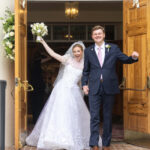
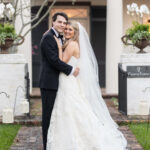
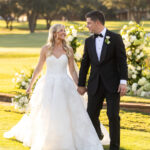
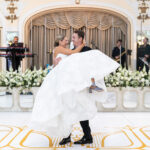
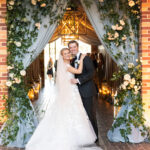
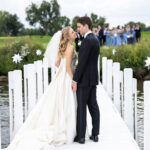
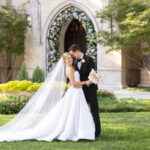
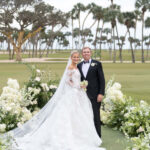
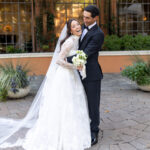
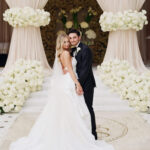
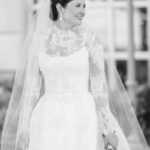
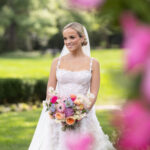
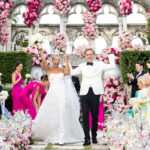
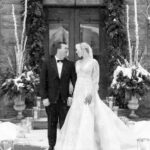
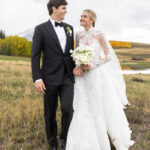
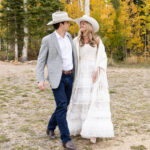
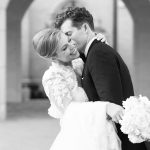
Our work can function in much the same way. We photograph someone’s wedding today, but we don’t necessarily know where those photographs will go from there.
Maybe one becomes the portrait hanging in their home for the next thirty years.
Maybe their children grow up seeing those images and model their wedding off of them.
And then maybe one day we’re photographing their daughter’s wedding.
Maybe a grandchild pulls out an album years from now and asks, “Who are they?”
And suddenly, the photograph isn’t just a photograph anymore.
It’s part of the family’s history.
That’s the responsibility that comes with what we do, and I think that’s what makes Heritage different from simply preserving something old – Heritage is what happens when something is cared for well enough to be passed on.
Tchaikovsky created The Nutcracker more than 130 years ago, and we’re still dancing it, performing it, listening to it, and introducing it to new generations.
Every wedding we photograph is one moment in our company’s history—but it’s also one piece of someone else’s.
We aren’t just creating something for the people standing in front of our cameras today.
We’re creating something that may still matter to people we will never meet. That’s what it means to steward something for the next generation.
